
At BINGO Digital, we spend a lot of time helping international businesses find their footing in the Chinese market. It is a notoriously tough transition. As authoritative institutions like McKinsey & Company frequently highlight in their consumer insights, winning in China requires deep cultural localization, not just surface-level translation. Recently, our team took a close look at how DiDi (The Uber of China), the massive ride-hailing company, handles its presence on Xiaohongshu. On the surface, you might wonder what a functional utility service can teach global retail or beauty brands. But when you dissect their audience building, it reveals a shift in mindset that any outsider needs to understand.
Xiaohongshu has become a massive cultural driver in China. With hundreds of millions of active users-mostly young women-it dictates where people eat, what they buy, and how they travel. Yet, global entrants frequently stumble here. They run into cultural disconnects, find their global content falling flat, or realize they are shouting into a void because local buyers have zero brand awareness. Looking at how a local giant navigates this space gives us a practical look at how to approach these problems.
Moving Away from Global Templates to Find Local Audiences
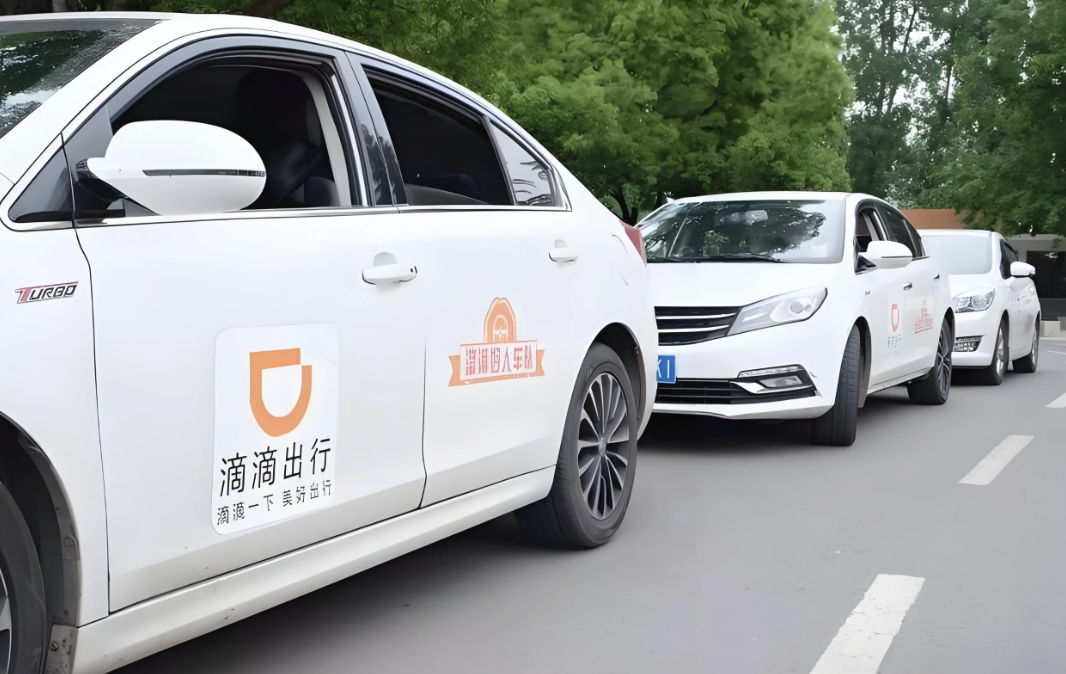
A classic trap for global marketers is assuming that a buyer persona that works in Paris or New York will translate perfectly to Shanghai or Guangzhou. DiDi ignored their broad mass-market identity and looked at who was actually using the app. They found that their followers were overwhelmingly young women concentrated in southern China. Instead of running generic corporate updates, they tailored their topics to tech gadgets, pop culture, and lifestyle aesthetics.
The takeaway for international businesses is to drop any preconceived notions. You have to let platform data tell you who is listening. If an overseas luxury label assumes heritage is the ultimate selling point, they might completely miss that local buyers are actually looking for practical chic. We often advise clients to run a deep analysis of existing local conversations before writing a single word of copy. It saves months of shouting at the wrong crowd.
Translating Emotions Rather Than Just Language
Users on the platform have a very low tolerance for polished, cold corporate advertising. It is a space built on peer recommendations. To fit in, DiDi had to pivot away from a brand-centric voice and talk like a regular user. They tapped into native internet culture, workplace frustrations, and holiday travel stress.
When international companies fail here, it is usually because they treat localization like a translation exercise. They take their global website copy and put it into Chinese. It feels clinical. Real localization is about emotional resonance. A global furniture brand, for example, might be tempted to list wood types and dimensions. In reality, a post about making a small, rented apartment feel warm on a rainy day will outperform a product spec sheet every time. It is about selling a mood and solving a daily problem.
Giving the Brand a Human Pulse
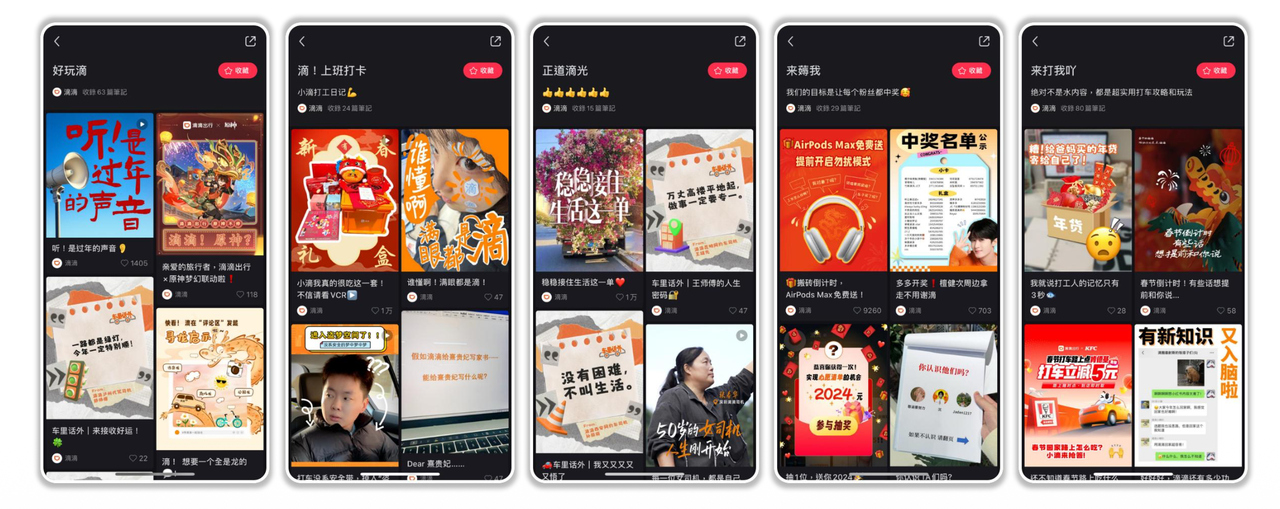
It is incredibly hard to build loyalty when you are viewed as a faceless corporation. DiDi addressed this by leaning into a playful, generous online persona. They act like a friend who loves to treat their circle. They drop jokes in the comment sections and run frequent giveaways. Many premium global brands worry that loosening their grip on strict corporate guidelines will damage their prestige. But on a platform driven by personality, a bit of warmth goes a long way. You do not have to abandon your brand guidelines, but you do need to find where your brand can afford to be conversational. Consistency across your bio, visual style, and comment interactions is what turns a passive scroller into a loyal follower.
Encouraging Real Conversations
Platform algorithms heavily reward engagement, but you cannot force people to talk. DiDi triggers interaction by keeping barriers to entry low. They do not run complicated sweepstakes with endless rules. They focus on simple, tangible rewards that their specific audience actually wants.
When global brands launch, they often default to generic percentage discounts. That rarely sparks excitement. Tangible items or limited-edition collaborations create a sense of urgency. More importantly, when users do comment, the brand actually replies. They do not use generic auto-responses. They engage in banter. Treating the comments section as a community board, rather than a customer support ticket system, completely changes the dynamics of loyalty.
Aligning with the Broader Cultural Shift
Excellent marketing means paying attention to what people are already searching for. DiDi noticed that travel and local exploration were dominating search traffic. Even as a ride-sharing service, they began creating city walk guides and weekend getaway tips. It naturally made them a part of a larger lifestyle conversation.
For global businesses, this means finding the intersection of your product and existing platform trends, whether that is wellness, outdoor sports, or parenting. If you make outdoor gear, do not just sell a jacket. Map out a hiking route and wear it. You can tap into organic traffic spikes simply by attaching your content to the keywords people are already tracking.
Learning From What Already Works Locally
You do not need to reinvent the wheel when you arrive. DiDi actively studied successful accounts from completely different industries, like local snack brands and retail giants. They noticed structural similarities, like high-frequency updates and highly visual interactive posts, and adapted those templates to fit their own voice.
For an outsider, benchmarking successful domestic accounts is a massive shortcut. Find the top performers in your niche, or adjacent niches, and dissect how they speak, how often they post, and how they handle feedback. There is no shame in studying the local playbook. The goal is adaptation, not blind copying.
Ultimately, DiDi's approach is a lesson in integration. They fused their business with the local ecosystem, changed how they spoke to match their users, and abandoned a rigid corporate tone. For global brands, Xiaohongshu cannot just be a side project or a translated clone of an Instagram page. It is its own ecosystem that requires a dedicated, humble approach. Success in this market is rarely about bringing your global track record to China. It is about being open enough to let local culture reshape how you tell your story.
Looking for a China full-service digital marketing partner you can trust?
BINGO Digital helps international brands build a compliant, full-funnel growth system across Xiaohongshu,Douyin, WeChat, and Baidu.
Contact BINGO Digital to get a China growth plan now!