
At BINGO Digital, we are based in Hong Kong and specialise in helping overseas brands build a presence in mainland China. Over the years, while working with restaurant, café, and beverage clients, we have found that Xiaohongshu (Little Red book and Red Note) is often one of the most important platforms in the early stages of market entry. Its value goes well beyond content exposure. For many brands, it is where product discovery begins, where consumer interest takes shape, and where early commercial momentum can be built. This aligns with broader market observations; as noted by McKinsey's insights on China's consumer market, social-commerce platforms are fundamental to brand discovery and building early trust among younger demographics.
Many overseas F&B brands looking at the China market ask a similar question: how do established local brands use platforms like Xiaohongshu to gain attention quickly and turn that attention into sales? A useful example comes from HEYTEA, one of China's best-known new-style tea brands.
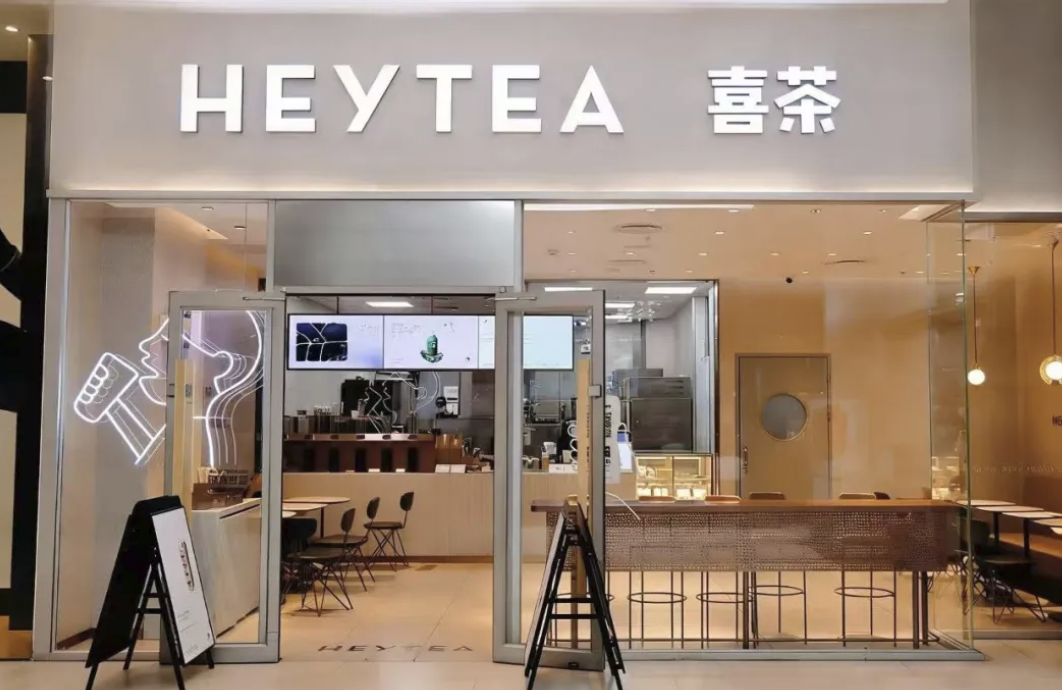
Two HEYTEA campaigns that show how Xiaohongshu really works
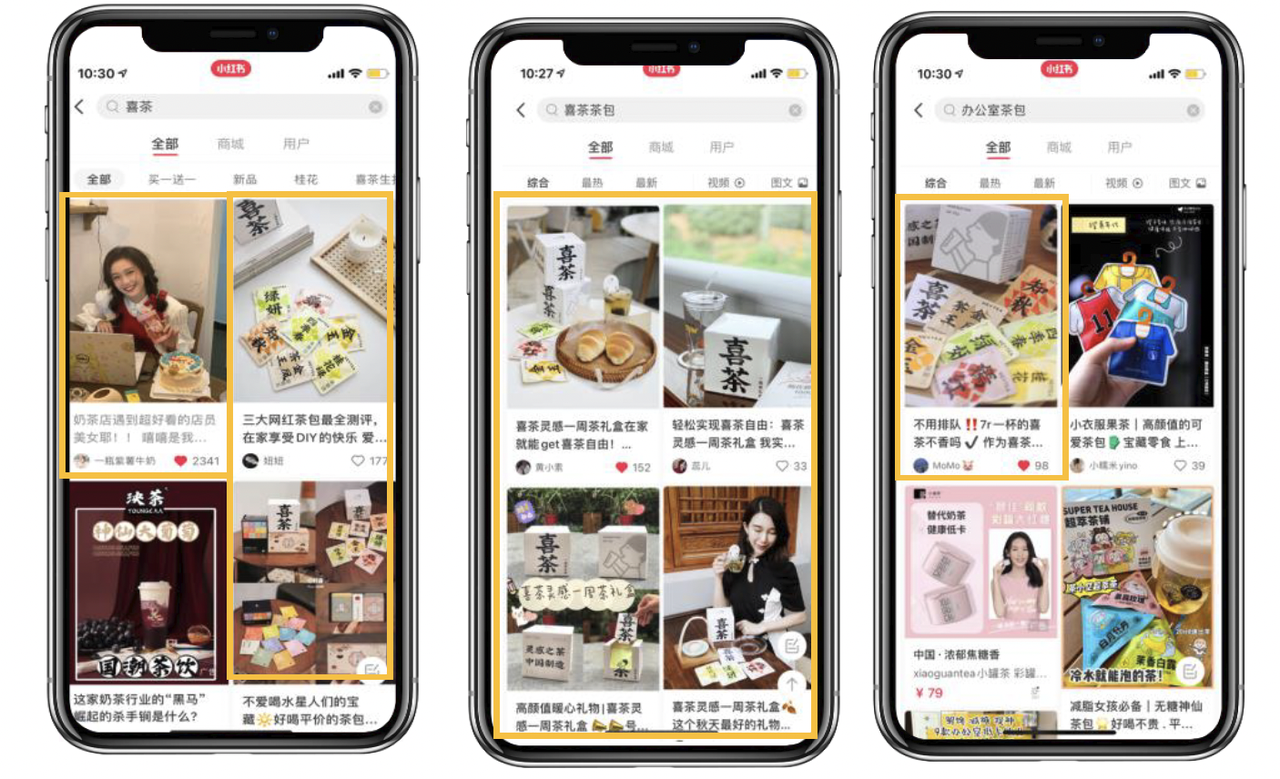
The first campaign focused on the tea gift box and ran across the full Double 11 promotional window. Over more than twenty days, it generated over 2.31 million reads, involved around thirty KOLs and more than one hundred KOCs, and achieved a keyword indexing rate of 95 percent. What stands out here is the pacing. This was not a short-term visibility push designed to create a sudden spike. HEYTEA used a longer content cycle to maintain steady presence throughout the e-commerce promotion period, allowing the campaign to continuously direct traffic toward purchase channels.
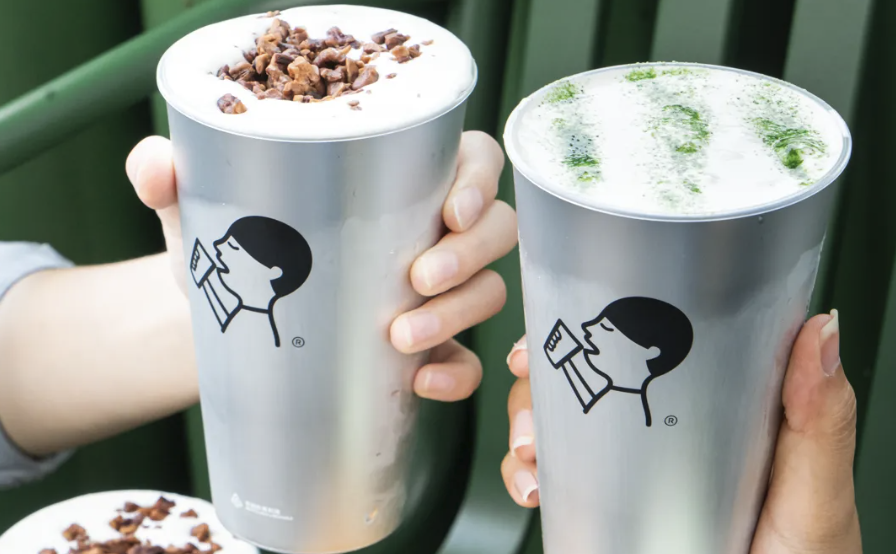
The second campaign, built around the co-branded straw tumbler, followed a different approach. Instead of spreading activity over several weeks, HEYTEA concentrated the campaign into the week before Double 11 and used roughly ten days to drive momentum quickly. This activation involved ten KOLs, achieved 100 percent content indexing, and produced at least one standout post with more than 5,000 likes and saves. Total reads reached 450,000. Compared with the tea gift box campaign, this was clearly a shorter and more concentrated push, designed to maximise immediate interest around a more topical product.
The point is not simply that HEYTEA worked with creators. What matters more is how the brand matched campaign rhythm to product type. It also adjusted content deployment and user reach according to the role each product needed to play. This is where many overseas brands misread Xiaohongshu. Influencer posting is not the strategy by itself. The stronger approach is to think about timing, search visibility, content lifespan, and how consumers move from discovery to consideration and then to purchase.
Practical Xiaohongshu approaches overseas brands can apply directly
One of the clearest takeaways from these two campaigns is that timing around major retail moments in China matters a great deal. Traffic patterns shift noticeably during large-scale shopping events, and brands that understand how to work with those shifts tend to perform better.
For more standardised products such as gift boxes, a longer runway often makes more sense. When content is distributed throughout the full promotional cycle, the brand can capture users at different stages of intent. Some consumers discover the product early, some only begin searching closer to purchase, and a sustained approach helps the brand stay visible across the whole decision window.
Products with stronger novelty or discussion value, such as collaborations or limited-edition items, often benefit from a more concentrated push. These products can generate interest more quickly, so building momentum in a shorter period before the promotional peak can be more effective. In those cases, the goal is to take over user attention at the moment when purchase intent is already rising.
HEYTEA's creator strategy also reflects a strong understanding of Xiaohongshu's ecosystem. Many overseas brands assume that working with top-tier creators alone is the most effective route, but that is rarely the case. In HEYTEA' s campaigns, KOLs appear to have been used to create stronger branded content and establish product image, while KOCs helped scale visibility, occupy more keyword positions, and expand search presence. That mix is important because it supports content quality while keeping costs under control and extending reach across a wider pool of potential users.
Search is another area that deserves more attention. A report by eMarketer highlights how Chinese consumers increasingly bypass traditional search engines for product reviews on social apps. Xiaohongshu traffic comes from both recommendation and search, yet many brands focus too heavily on feed exposure and overlook the role of active intent. HEYTEA appears to have built its keyword strategy carefully, combining brand terms, category language, and usage-related phrases so that relevant content surfaced when users searched around the product. High indexing rates and strong ranking positions can continue to generate passive traffic well after the initial campaign period. That gives the content longer commercial value than a short burst of impressions alone.
Breakout content also plays a major role in scaling on the platform. HEYTEA seems to have approached this with some precision by working with creators who were already on an upward growth trajectory and therefore had stronger natural traffic potential. Paid amplification also appears to have been deployed in stages, beginning with priority cities and target user groups before expanding through the platform's recommendation system. This kind of phased media use is particularly useful for brands that need to make budgets work harder, because it allows smaller spends to generate more meaningful outcomes.
Conversion, of course, needs to be handled carefully on Xiaohongshu. The platform has clear rules around direct traffic diversion, and overly aggressive calls to action can easily become counterproductive. HEYTEA' s approach seems to have been more controlled. Purchase routes and offer details were mentioned subtly in the post body, while creators addressed user questions more naturally in the comments. This creates a smoother path from interest to action without making the content feel overly promotional or putting the account at risk of violating platform norms.
What overseas F&B brands should take from this
For overseas restaurant and beverage brands entering mainland China, Xiaohongshu can be a more effective starting point than expanding offline too quickly or relying heavily on traditional advertising from the outset. The testing cost is lower, audience targeting can be more precise, and the feedback loop is much faster. In many cases, learning how to operate one platform properly is more valuable than trying to do everything at once.
Product strength remains important, but in the China market, visibility and understanding usually come first. Consumers need to encounter the product, recognise what it is, and see how it fits into their lives before they are ready to engage with the wider brand story. Many overseas brands lead with brand heritage or global positioning too early. In practice, it is often more effective to build product familiarity first through platform-native content and then layer in broader brand meaning once traction begins to form.
Data also needs to be interpreted in a more disciplined way. Read volume on its own does not say enough. Metrics such as indexing rate, search ranking, user interaction quality, and actual conversion signals usually provide a clearer view of whether a campaign is working. These are the indicators that show whether content is being discovered properly and whether it is contributing to real business results. The brands that improve fastest are usually the ones that adjust based on these signals rather than focusing only on surface-level exposure numbers.
Over the years, while working with overseas brands from Hong Kong, we have seen many strong F&B concepts struggle in mainland China not because the product was weak, but because the platform logic was misunderstood. Good products and strong brand stories are not enough on their own if the operating model does not fit the market. HEYTEA' s Xiaohongshu campaigns are a useful reminder that growth in China is not simply about spending more. It depends on matching product type, content rhythm, platform behaviour, and user intent in a way that makes sense locally.
Looking for a China full-service digital marketing partner you can trust?
BINGO Digital helps international brands build a compliant, full-funnel growth system across Xiaohongshu, Douyin, WeChat, and Baidu.
Contact BINGO Digital to get a China growth plan now!