
How Should Overseas Brands Allocate Marketing Budget in China to Maximise ROI?
For overseas brands entering China—or already operating here but seeing revenues soften—budget allocation is never a "nice-to-have" discussion. It is the discussion. China's marketing environment is not a smaller version of a Western playbook. And the cost of getting it wrong is brutal. Choose the wrong channels or misalign spend across the funnel, and you don't just burn budget—you lose the timing window that China often demands. Get it right, and every dollar becomes measurable: brand visibility you can trace, demand you can track, and sales you can attribute. That's how ROI compounds.
Over the past several years, our team has helped dozens of overseas brands—from multinational consumer giants to lean, founder-led challengers—build and optimise their China marketing systems. As highlighted by McKinsey & Company, the Chinese market demands a highly localised and agile approach, meaning imported global playbooks often fall flat. We've seen the painful pattern too many times: brands pour money into "what worked overseas," chase trending tactics from local competitors, and end up with nothing but screenshots of impressions and a dashboard full of disappointment. We've also developed a budget logic that has been validated repeatedly in-market—one that adapts to brand type and stage, and aligns tightly with how Chinese users actually make decisions.
Below is the approach we use in real planning conversations: practical, implementable, and designed to keep you out of the most expensive traps.
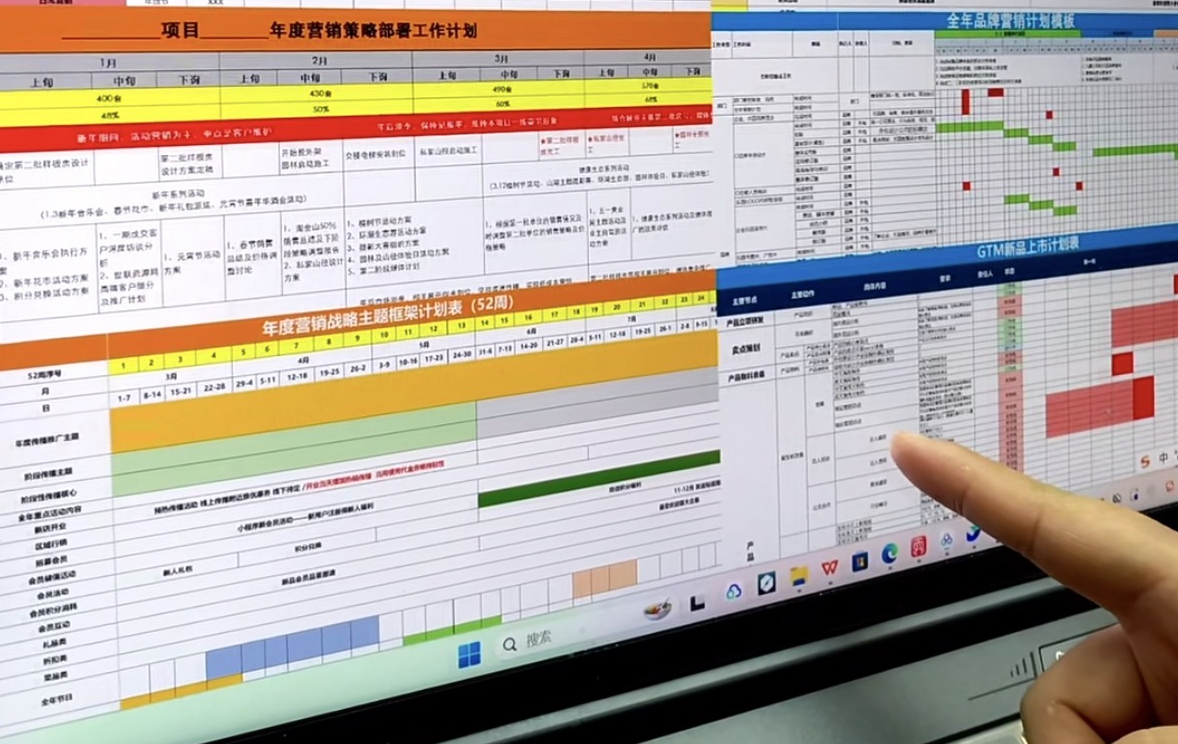
Budget Allocation in China Map to Three Realities
Before talking ratios, overseas brands must accept a core premise: in China, budget allocation is anchored in three unavoidable dimensions:
- The user decision journey in China (how people get influenced, verify trust, and buy).
- Your brand's risk tolerance and resilience (cashflow strength, patience, operational capacity).
- China-entry-specific costs unique to overseas brands (compliance, localisation, platform rules).
This is why the "right" budget mix differs fundamentally between B2C and B2B, and between global giants and emerging brands. If you simply replicate what you do in mature overseas digital ecosystems—or imitate the spending style of Chinese domestic brands—you're almost guaranteed to end up with a dangerous imbalance between input and return.
B2C Brands: Spend by Scale, Build a Full Loop from "Influence" to "Conversion" to "Retention"
B2C categories—beauty, apparel, food, home, mother & baby, and similar—enter China with one dominant goal: win consumers and drive sales. According to Bain & Company's consumer insights, China's consumer decision path has distinct local characteristics:
Content-driven discovery → interest → multi-channel trust verification → purchase → ongoing operations for repeat buying.
Budget planning must mirror these decision nodes precisely, and it must be calibrated by scale—because the gap between a multinational and a budget-constrained challenger isn't cosmetic; it changes what "smart spend" even means.
1) Large International B2C Brands
(Strong budget; goal: lift brand voice and maintain steady sales growth)
These brands usually bring real advantages: global brand assets, mature supply chains, and financial capacity to sustain big promotion cycles and long-term investment. But they share a key weakness in China: local recognition and trust often start close to zero, and their global messaging rarely fits China's consumer language without intentional rebuilding.
So the logic must be: build trust first, capture sales second, lock in loyalty long-term—and avoid the classic mistake of "buying ads without building belief," which produces low conversion and wasted spend.
Recommended annual budget split:
A. Content Seeding (Xiaohongshu + Douyin + Weibo KOL/KOC) - 40%
Chinese consumers have extremely low tolerance for hard-sell advertising. What they trust is "real usage"—the credibility of people who appear to have tried the product. For a newly-entered international brand, running performance ads too early often triggers unfamiliarity and distrust, which kills conversion. In China, KOL/KOC-driven experience narratives are the most cost-efficient trust-building mechanism.
• Use a portfolio structure: top-tier KOLs for brand visibility, mid-tier niche creators to sharpen product positioning, and high-volume KOCs to blanket foundational word-of-mouth.
• Localise content meaningfully. Do not translate overseas assets line-by-line. Make "brand value" land in Chinese scenarios and expressions, and speak in the language of local consumer reasoning.
B. E-commerce Media + Livestreaming (Tmall Global / JD Global / Douyin) - 35%
China is built around "brand + performance together." Seeding is not the end goal; it exists to make purchase frictionless once interest is created. Whether it's cross-border marketplaces (Tmall Global, JD Global) or content commerce (Douyin), these are the primary conversion engines. Large brands with strong inventory and campaign capabilities should allocate heavily here to catch the demand created by seeding, and to win key sales moments such as 11.11 and 6.18.
• Divide spend into "always-on" and "festival acceleration." Add at least 30% of the quarter's base budget into platform ads and promotions during shopping festivals.
• Product pages must be upgraded for China decision-making: clear Chinese copy, trust symbols, and buyer anxieties addressed upfront.
C. WeChat Private Domain + Membership Retention - 10%
Customer acquisition costs in China keep rising. Even large brands cannot rely forever on "buying traffic." WeChat remains the only truly powerful private-domain ecosystem with full-age coverage. Official accounts, Enterprise WeChat, and community operations let brands retain purchasers, run repeat-buy reminders, and improve loyalty at low marginal cost—ultimately reducing long-term CAC.
D. Feed/Search Ads (Baidu search + Douyin feed) - 10%
Think of this as loss prevention and traffic 补位. It captures:
• High-intent users actively searching brand or product terms (often higher conversion).
• Users who were influenced by content but didn't convert immediately—brought back through multi-touch retargeting to reinforce memory and trigger action.
E. Compliance + Localisation - 5%
This is not optional "admin spend." It is survival budget. China's advertising rules and data compliance requirements are strict. Non-compliant phrasing, missing credentials, or improper claims can lead to penalties, delisting, and reputational damage that is costly to reverse—especially for overseas brands.
This is essentially: 40% to build trust, 35% to convert demand, 15% to retain users long-term, with a controlled layer of traffic reinforcement and risk prevention. Your priority is not short-term ROI spikes—it's stable dual growth in brand voice and sales, built through a sustained system.
2) Emerging / Challenger B2C Brands
(Limited budget; goal: survive first, reach profitability)
This is the most common group among overseas brands wanting China growth today. They face the hard truth: limited runway, weaker global recognition, and less supply-chain tolerance. For them, "brand voice" is meaningless if it doesn't translate into sales.
So the logic must be: drop vanity exposure, prioritise conversion, lock users with low-cost retention.
Recommended annual budget split:
A. Precision Seeding (Xiaohongshu KOC + niche Douyin creators) - 50%
The biggest sin for smaller brands is "spray and pray." You can't afford top-tier KOL fees or broad traffic. KOCs (often 10k-100k follower range) and niche creators have lower costs, tighter audience fit, higher perceived authenticity, and often outperform headliners on conversion because their content feels real.
• Select creators by scenario match and conversion outcomes, not follower count.
• Content must show value fast: before/after effects, genuine usage experience, and value-to-price comparisons. Avoid floating brand storytelling.
B. E-commerce Conversion (basic operations + small-scale ads) - 30%
Don't try to occupy every platform. Choose 1-2 core conversion venues (for example Tmall Global and/or Douyin e-commerce), and focus on operational fundamentals: product pages, service, review management, and a light advertising layer to catch seeded traffic. The goal is not explosive festival spikes—it's healthy unit economics and stable profitability.
C. WeChat Private Domain Retention - 15%
Smaller brands cannot win with scale, but they can win with keeping what they earn. WeChat retention is relatively low-cost: move buyers into Enterprise WeChat or groups, nurture them through offers, usage tips, and real user cases, and turn one purchase into repeat buying. This extends LTV and creates breathing room under competitive pressure.
D. Compliance + Basic Localisation - 5%
For smaller brands, a compliance failure can end the entire China plan. This budget covers credential review, compliant ad copy, and essential Chinese page optimisation—small in proportion, massive in consequence.
Be ruthlessly practical: 80% of spend must directly drive conversion (seeding + e-commerce), 20% must protect and retain (private domain + compliance). Anything that doesn't lead to revenue is a luxury you cannot afford.
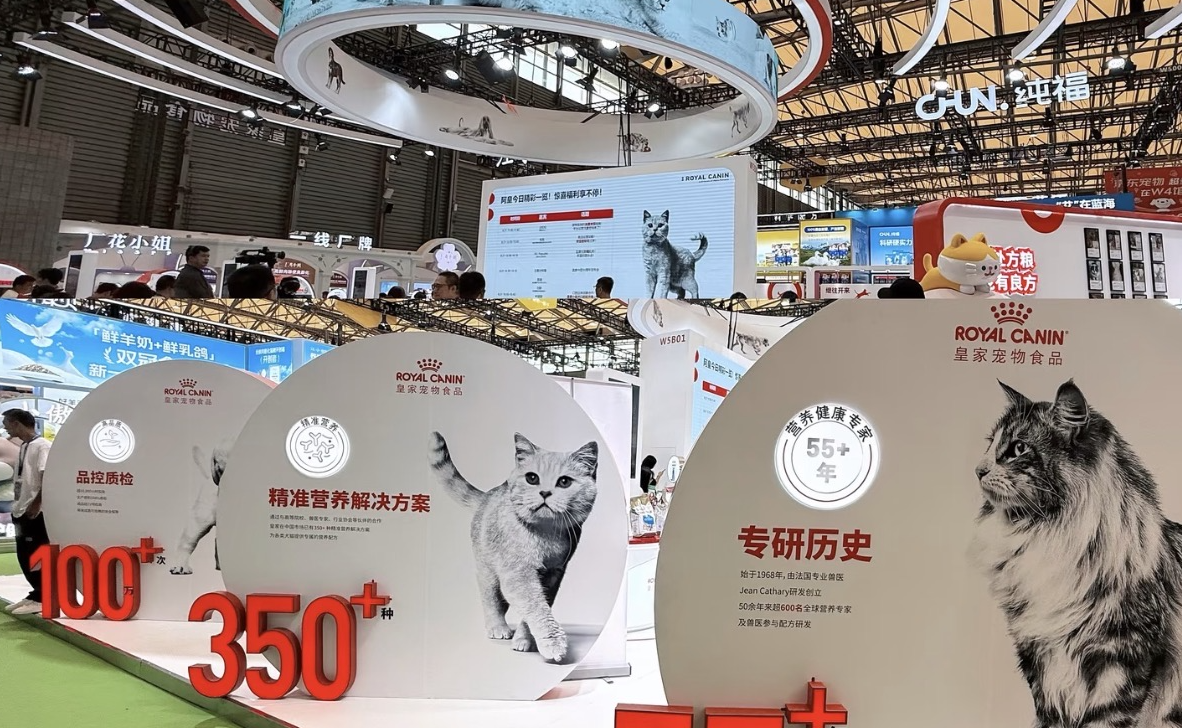
Part 2 - B2B Overseas Brands: Stop Chasing Mass Traffic, Win Decision-Makers
B2B brands—software, industrial equipment, industrial products, business solutions—play a different game in China. There is almost no impulse buying. Sales cycles are long (weeks to months), decision chains are complex, and the real gatekeepers are usually: company owners, procurement leads, and technical leaders.
These buyers do not care about "trendiness." As a Gartner study on B2B buying journeys suggests, they care about reliability, professionalism, and whether you solve real operational pain. They don't browse consumer seeding content for fun; they judge brands through professional channels and credibility signals.
So B2B budget logic must be: don't buy mass traffic—capture decision-makers; don't chase surface-level buzz—build professional trust.
And just like B2C, scale matters. B2B brands should avoid blindly spending on consumer platforms like Douyin/Xiaohongshu for broad reach, because it typically yields low-quality leads and a distracted team.
1) Large International B2B Brands
(Strong budget; goal: local authority + stable lead generation)
These brands often have global credibility, strong case studies, and technical depth. Their challenge in China is local: limited awareness among local decision-makers, trust needs to be rebuilt in-market, and they need to integrate into China's industry networks.
Recommended annual budget split:
A. Professional Content + Industry Endorsement (Zhihu + official website + media) - 35%
In B2B, "professionalism" is the product. Zhihu is a high-quality knowledge platform with many of the educated, higher-income profiles that overlap with B2B decision-makers. Your official website remains the authority hub where buyers validate credibility. This budget funds deep content: insight articles, solution breakdowns, case analysis, white papers.
B. Precision Search + Vertical Platforms (Baidu SEM/SEO + industry-specific) - 30%
The most valuable B2B traffic is high-intent search: people actively looking for suppliers or solutions. Baidu remains the default information gateway for many Chinese business decision-makers. SEM/SEO captures those users at the moment of need. Vertical platforms then extend reach into the right industry circles.
C. Offline Exhibitions / Salons - 20%
B2B closes on trust, and trust accelerates through face-to-face interaction. Offline events let decision-makers see your capability, ask hard questions, and evaluate fit quickly. For brands with budget, exhibitions and salons are a powerful way to shorten sales cycles, deepen relationships, and expand local networks.
D. WeChat Private Domain + Lead Nurturing - 10%
In B2B, prospects rarely "buy now." WeChat is the core business communication tool in China. Capture leads from search and events, move them into Enterprise WeChat, and nurture over time through insights, case updates, product iterations, and event invitations.
E. Compliance & Localisation - 5%
B2B compliance is even broader than B2C—advertising, industry certifications, data and privacy, and even commercial process localisation. This keeps your operations trustworthy and partnership-ready.
2) Smaller B2B Overseas Brands
(Limited budget; goal: precise leads + small-batch deals and steady profitability)
Smaller B2B brands often win on agility and responsiveness. But they have fewer case studies, weaker authority signals, and limited capacity for high-cost offline exposure. So their logic must be: low-cost trust building + precise lead capture, avoid expensive offline plays with uncertain ROI.
Recommended annual budget split:
A. Professional Content + Industry KOL (Zhihu + website + niche industry channels) - 45%
For smaller B2B brands, professional content is the best trust-building tool per dollar. It clarifies what you solve and why you're credible without massive media spend. Content should be practical and targeted: scenario use cases, pain-point solution articles, compact case breakdowns. Pair with mid-sized industry KOLs who are affordable but highly targeted.
B. Precision Search Investment (Baidu SEM/SEO) - 30%
This is often the highest ROI channel for smaller B2B entrants. Focus on core product terms and pain-point keywords. Avoid broad, irrelevant keyword expansion. Meanwhile, optimise your website to fit Baidu's logic while maintaining good global SEO hygiene.
C. Online Salons / Communities - 20%
If you can't afford exhibitions, online salons and industry communities become the cost-controlled substitute. Host free webinars to demonstrate expertise and capture leads; participate in relevant communities to build credibility through consistent value sharing.
D. Compliance - 5%
Still non-negotiable. Credential checks, compliant messaging, and compliant data collection protect your entire China operation from a single avoidable mistake.
Whether large or small, the principle holds: 70% of budget should build professional trust and capture precise leads, 30% should nurture leads and control risk. If you chase consumer mass traffic, you'll waste money, distract your team, and end up with very little to show for it.
Part 3 - Three Budget "Iron Rules" Every Overseas Brand Must Follow
The ratios above vary by brand type and stage, but these three rules apply almost universally. They are the difference between disciplined growth and expensive chaos.
Rule 1: In the First Three Months, Reserve 15%-20% for Controlled Channel Testing
The biggest trap is not "having too little budget." It's spending big before you know what works in China. The same channel that performs reliably overseas can fail here completely. Your first three months should include small-scale testing on 1-2 core channels, using 15%-20% of the budget to measure conversion, ROI, and user feedback. Then you concentrate remaining budget on what proves effective—rather than spreading spend evenly and hoping. Here are three practical examples:
- Emerging B2C: test Xiaohongshu + Douyin
- B2B: test Baidu + Zhihu
- Large B2C: test Xiaohongshu + Tmall Global
Rule 2: B2C Brands Must Budget Separately for Major Shopping Festivals
For B2C, China's key promotional periods are not optional—they are the highest ROI windows of the year. Unlike many overseas holiday promotions, China's major events combine huge traffic with extremely high purchase intent. Many B2C brands generate a significant share of annual sales during these peaks.
Operationally, plan for it explicitly: allocate at least 30% of a quarter's base budget as additional festival investment—platform ads, livestream subsidies, promotions, and inventory preparation—to fully capture peak demand. Missing these windows makes "breaking through" much harder.
Rule 3: Never Cut Compliance Spend—Even When Budget Is Tight
Compliance is the most underestimated risk in China entry. Brands get obsessed with content and conversion and ignore the legal and platform consequences—until they get penalised, delisted, or publicly criticised. The damage is not only financial; it can destroy trust permanently. Across brand types, reserve at least 5% of annual marketing budget for compliance and localisation guardrails. It is not wasted spend. It is the insurance policy that protects everything else.
The Best Budget Mix Isn't Universal—It's the Best Match
If there's one line to remember, it's this: in China, there is no "best" budget ratio—only the most suitable one. Suitability comes from three matches: match China's user decision journey, match your brand's stage and resilience, and match the China-entry costs and risks unique to overseas brands.
Everything above ultimately serves one objective: align with China's decision logic, fit your brand's reality, and eliminate avoidable China-entry risks—the true foundation of maximising marketing ROI.
Ready to Optimise Your China Budget?
Unsure how to adjust your budget mix? Reach out to BINGO Digital. We build actionable, monthly budget plans tailored to your brand, backed by hands-on execution across China platforms. In China marketing, smart allocation always beats simply spending more. It’s the first lesson that decides everything.
Contact BINGO Digital to Plan Your Strategy