
For decades, global marketing playbooks have taught a familiar story: build awareness, nurture consideration, then convert-step by step, top to bottom. In many Western markets, that logic still holds because it was born from a predictable environment: centralised media, search-led discovery, and transactions completed on independent brand websites. But bring that same linear funnel into China, and it often collapses.
Overseas brands entering the market tend to report the same frustrations, even when their products are strong: ad budgets climb, yet conversion barely moves; websites built to global standards struggle to keep users for more than a few seconds; strategies that consistently win elsewhere suddenly feel useless inside China.
The issue is rarely the brand itself. The real mismatch is structural. China's digital ecosystem- and the way Chinese consumers make decisions-has evolved into something fundamentally different from the "search → site → purchase" path. Content, social, commerce, and payment are tightly connected, forming a self-reinforcing loop. Users don't progress neatly along a brand-defined journey; they jump, pause, return, and reverse. That is precisely why linear models fail here.
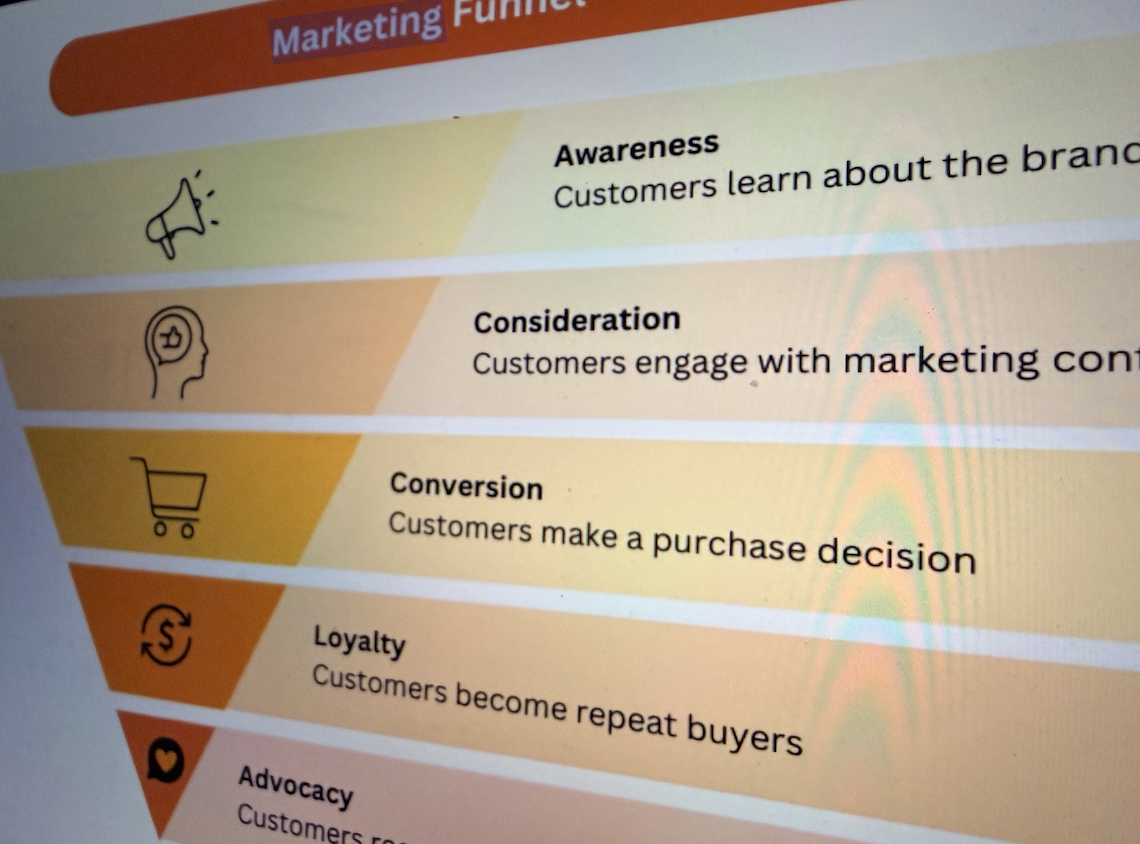
Why Linear Logic Stops Working in China
In most Western markets, the purchase journey is built on one assumption: people actively look for products.
A consumer feels a need → searches on Google compares brands → buys on an independent website → the transaction becomes the endpoint. The system is largely one-way: search starts the chain, purchase ends it.
China is the opposite. It's a rare, fully integrated environment where content, social interaction, ecommerce, and payment sit inside interconnected platforms. Consumers don't always go searching; algorithms push discovery to them. And purchase isn't the end-often it's the beginning: sharing, re-buying through private channels, and "seeding" recommendations to others.
The decision path has no fixed starting line or finish line. It can move forward, loop back, or trigger in reverse.
Overseas consumers typically begin with a clear intent- "I need this category" -then search for solutions. In China, intent is frequently created. Users spend hours inside short-video feeds and content streams. Platforms capture signals, match preferences, and deliver products in the form of content. Many people didn't even realise they "wanted" something until they saw it.
This is not a minor behavioural difference. It is the foundation of how the market works.
China's "Infinite Loop" Decision System That Drive Growth
These nodes aren' t optional modules. They are shaped by China's platform structure, user habits, and trust mechanisms-each one pulling the next.
Node 1 - Algorithmic Discovery: From "People Search" to "Algorithms Seed Demand"
In China, discovery increasingly starts with recommendation engines. A product wins not by waiting for demand, but by entering the feed as a useful, relatable piece of content.
When Australian wellness brand Swisse first entered China, it followed an overseas-style logic: focus on search ads and wait for high-intent users. The response was underwhelming. Things changed when the brand shifted toward short-video platforms like Douyin, producing content rooted in local life-workplace fatigue, sleep routines, daily nutrition for women-without hard selling. The algorithm matched those scenes to the right audiences, and growth accelerated. The content didn't "push product." It solved a real problem-and the platform did the distribution.That shift captures the essence of Node 1: demand is often awakened before it is expressed.
Node 2 - Social Validation: Xiaohongshu as the National Decision Gateway
After being attracted by content, Chinese users rarely purchase immediately. Skepticism toward advertising is built into the culture. People want proof-not from brands, but from other humans.
This is where Xiaohongshu (RED) becomes decisive. Users search for real experiences, comparisons, and "what it's actually like" feedback. Peer content often carries far more persuasive power than official messaging.
Early on, American skincare brand Kiehl's leaned heavily on its global reputation and offline retail, while underinvesting in Xiaohongshu. Users who discovered the brand through promotions went looking for real user posts-and found too little. Many simply walked away. Once the brand strengthened authentic user-style content-skin-type fit, real routines, visible effects-conversion improved noticeably.
In China, interest is cheap. Trust is expensive. Xiaohongshu is where that trust is earned.
Node 3 - Authority Verification: Baidu + Zhihu as the "Trust Backstop"
For overseas brands-especially premium products or B2B services-peer reviews alone may not close the deal. Consumers have a natural caution toward foreign brands: legitimacy, qualifications, warranties, and service reliability matter more when the price rises.
That final verification often happens on Baidu and Zhihu.
Baidu functions like an "official presence checkpoint" -brand information there signals legitimacy inside China's internet. Zhihu adds a different layer: expert-style explanations that help technical or high-end brands justify value.
Node 4 - Frictionless Purchase: The 5-Second Transaction Loop
Many overseas brands default to a familiar tactic: drive traffic to a standalone site, then ask users to register, fill forms, and check out. In China, those steps are conversion killers.
The local ecosystem has trained consumers to expect near-zero friction. WeChat Mini Programs and native platform stores compress the distance between "I want it" and "I bought it." Buying is often emotional and impulsive; every extra click increases dropout risk.
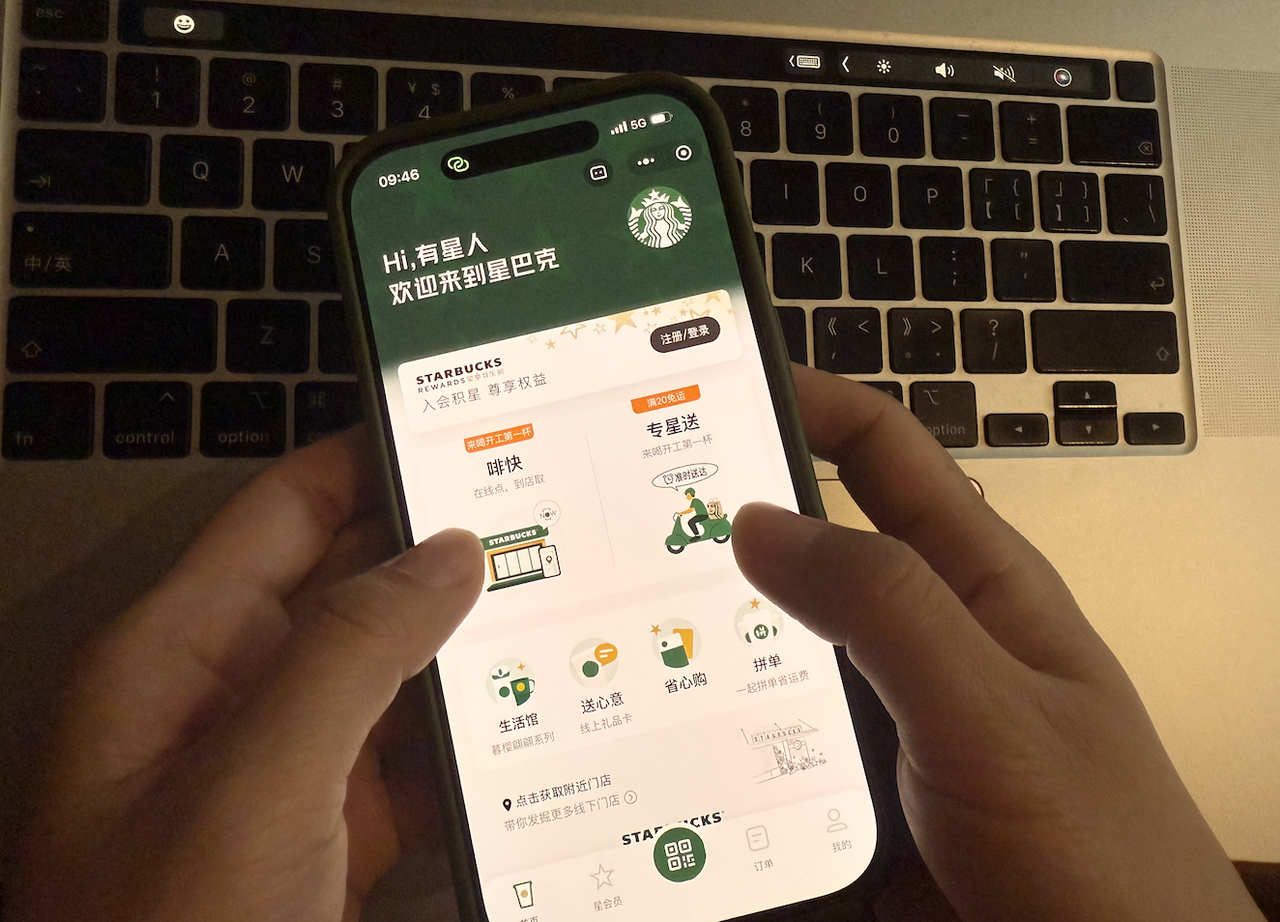
Starbucks in China didn't insist on a Western-style standalone ordering site. It built ordering, payment, and membership inside WeChat Mini Programs. Users stay within the ecosystem and complete the flow in moments. That design isn't just convenient-it matches how Chinese consumers already live digitally.
Node 5 - Loop-Back Growth: Purchase Is Not the Finish Line
In many markets, purchase marks the end of a campaign. In China, it marks the start of the next cycle.
As public traffic becomes more expensive year by year, brands increasingly rely on private- domain operations-WeCom, official accounts, membership groups-to keep users reachable, drive repeat purchases, and stabilise revenue. Post-purchase sharing then becomes new content that influences new consumers, naturally feeding the top of the loop again.
Japanese apparel brand Uniqlo has long treated this as a system: funneling offline and online traffic into WeChat-based membership, maintaining relationships through benefits and new- product reminders. The contribution of existing customers becomes far higher than chasing new users endlessly. The loop reduces dependence on volatile public traffic and sustains steadier growth.
The Three Deadliest Misconceptions Overseas Brands Bring into China
When overseas brands struggle, it's often not because they didn't spend enough-but because they invested in the wrong logic.
1. Fragmented execution across platforms
Different teams run different channels, data isn't connected, and the decision journey gets cut into disconnected pieces. What should be one continuous loop turns into broken segments.
2. Insisting on the standalone-site mindset
Refusing to adapt to China's native transaction habits forces users to "jump out" of ecosystems. That friction silently destroys conversion and wastes traffic.
3. Over-relying on ads, under-building trust infrastructure
Brands push exposure but neglect social proof and authority verification. Users get interested, then search for credible references-only to find gaps. The result isn't "no demand," but "no confidence."
Linear funnels were built for a different era. China has already formed a faster, more complex, and more efficient cycle-based system-where discovery is algorithmic, trust is social and authoritative, purchase is frictionless, and growth is sustained through loop-back operations. For global brands, the path to stability isn't repeating what worked elsewhere. It's respecting local consumer behaviour and connecting every node into one coherent loop. When each step reinforces the next, growth becomes less fragile-and far more durable.
Ready to architect your China breakthrough?
BINGO Digital transforms expensive social traffic into lasting customer loyalty through strategic private domain integration.
Contact BINGO Digital to Architect Your China Breakthrough