2026 China Consumer Trends: The Era of Rational Emotionalism
Over the past 20 years, China's consumer market has completed a structural shift-from an era of scale expansion to one of intense competition in a mature, stock-based market. This also means the days when international brands could "harvest dividends" in China simply by virtue of an imported identity are decisively over.
Chinese consumers have fully entered the era of consumer sovereignty. They no longer passively receive brand messaging; instead, they actively define their own needs, research products, and pay only for brands that align with their values and emotional expectations. For brands seeking Digital Marketing and Growth services in China, understanding this mindset is the first step toward success.
Rational-Emotional Coexistence - The "Rational Emotionalist"
According to the 2025 Gen Z Emotional Consumption Report, Chinese consumers are becoming "rational emotionalists". They calculate meticulously and compare prices for everyday items, yet spend generously on healthcare, education, and experiential consumption. This shift demands a more sophisticated Marketing Strategy that balances logic with deep emotional resonance.
Take Jay Chou's 2025 "Carnival" World Tour as an example: China Economic Net reported that ticket revenue from a single stop drove RMB 1.263 billion in comprehensive city consumption. Over 60% of attendees travelled across cities, bearing high costs for irreplaceable emotional release.
In response, brands need to reframe products from "daily spending" into "meaningful investment". Through Content and Social Media Marketing, brand value should be deeply tied to personal growth or unique life experiences.
Quality Calculus - Goodbye "Blind Premium", Hello "Value-for-Money with Substance"
Today, "price-only logic" is fading. Consumers are asking what kind of clear, tangible return each unit of spending delivers. To capture this, brands must leverage Search Engine Optimization (SEO) to ensure their "value-for-money" details are easily discoverable when consumers research products.
Consider "Baixiang", a leader in China's food category. It broke through by focusing on "visible, real value":
- Increased noodle cake portion size by 15%, printed boldly on packaging.
- Insisted on real ingredients, clearly rejecting "tech and additives" to eliminate quality anxiety.
- Simple e-commerce pages with large-type emphasis on "enough to eat, filling, no tricks."
Baixiang's online sales surged 137% year-on-year in early 2025, demonstrating that consumers reject low-price low-quality in favor of robust quality.
Pressure Relief - Emotion-Soothing Consumption Becomes a Core Scenario
80% of consumers make at least one "emotional consumption" purchase per month for healing. A representative case is the handcraft creator Lu Qinghuan, who recreates childhood nostalgic scenes for mid-career adults paying up to RMB 15,000 per piece.
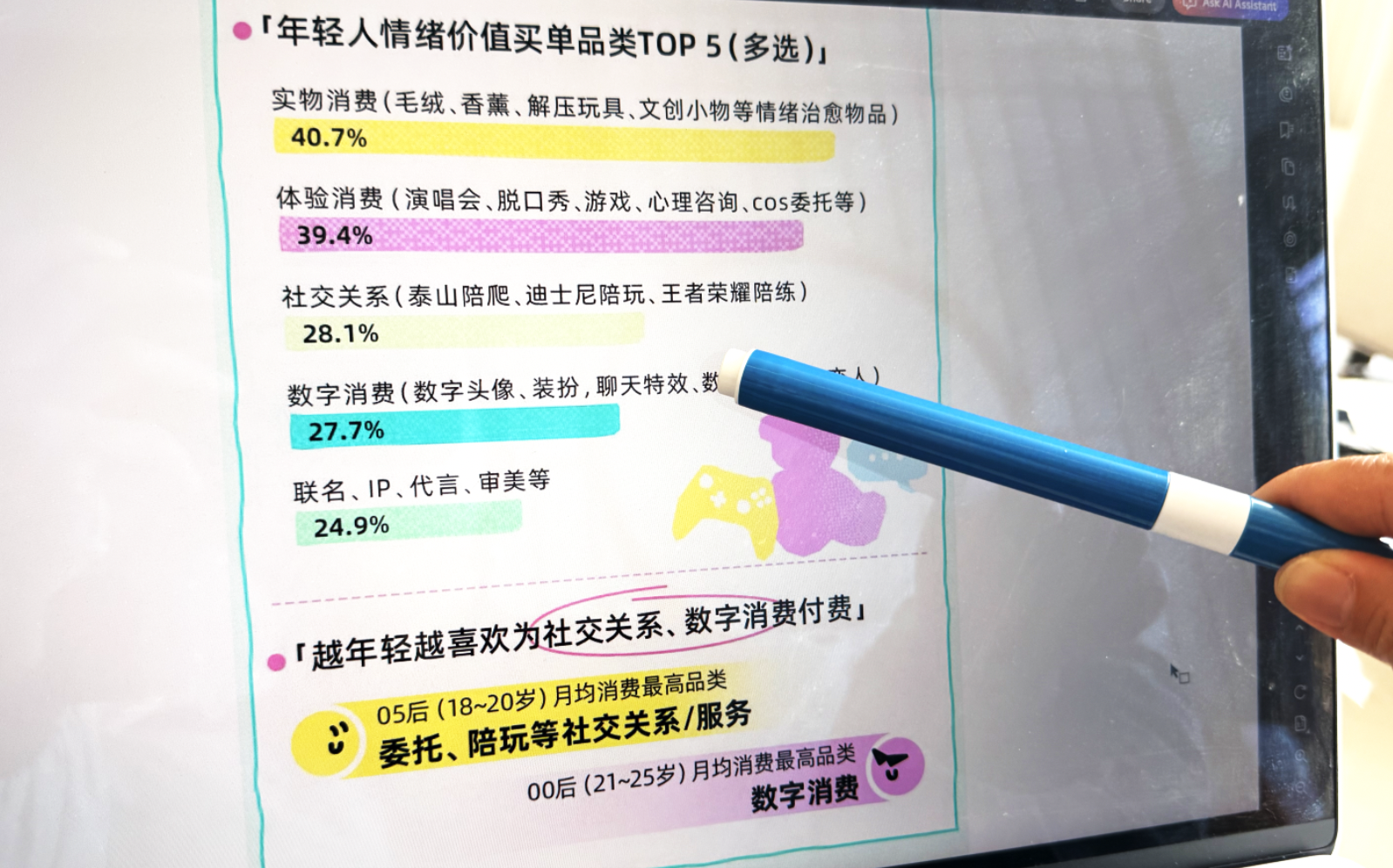
According to the 2025 China Plush Toy Market Insights Report, adult consumers now account for 43% of the share. Brands that can deliver excitement or healing through their Social Media Platforms (WeChat/Xiaohongshu/Douyin) content will capture a sizable audience in this "stress-relief" era.
Everyday Highlights - Creating "Ritual" in the Ordinary
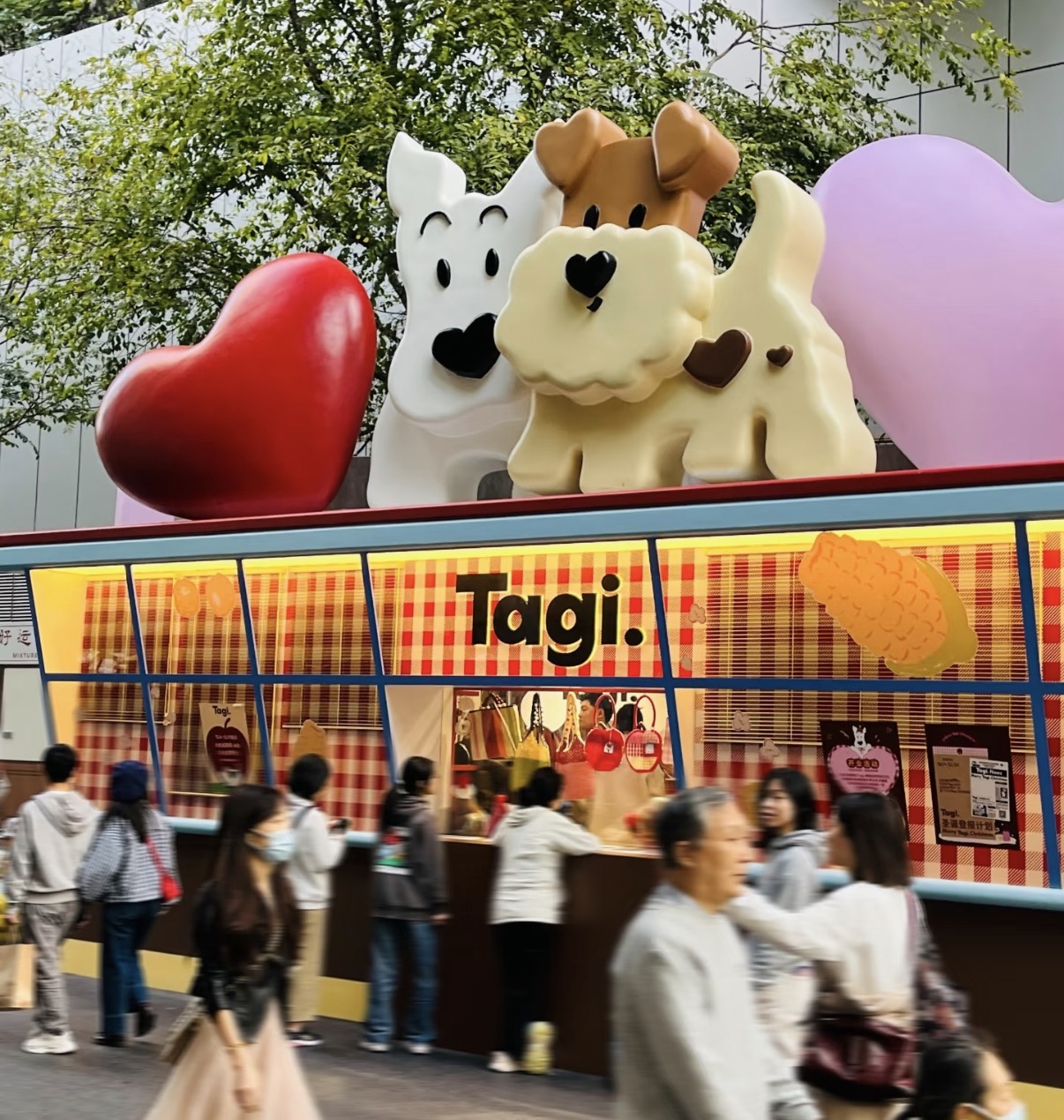
Chinese consumers are injecting "small certainties" into ordinary life. This is highly visible in the pet market, which surpassed RMB 811.4 billion in 2025 according to the 2025 China Pet Industry Market Report. "Pet ritual" consumption grew 120% year-on-year, turning birthdays or memorials into highlight moments.

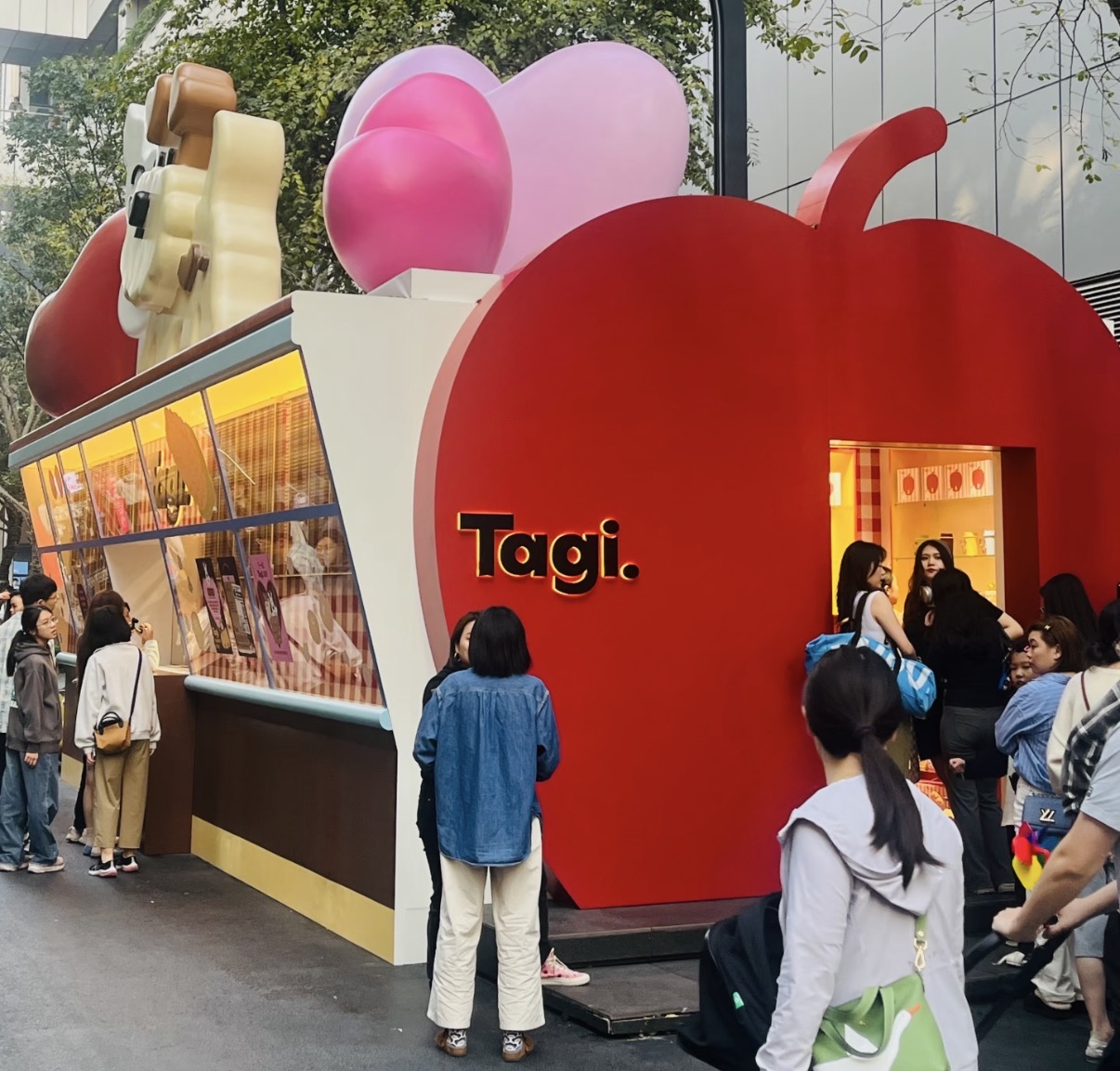
Shared Resonance Experiences - The Return of Offline "Flow Moments"
As AI and VR advance, the value of offline experiences is being re-amplified. 78.9% of consumers believe "real experiences that make you forget time are the truly valuable ones". Physical stores must evolve into experiential venues through Bespoke Web Design that seamlessly bridges the online-to-offline (O2O) journey.
Local Cultural Vitality - Cultural Confidence Drives Consumer Practice
Cultural confidence has moved from abstract values into concrete choices. In 2025, JD.com transaction value for geographical indication products grew 68% year-on-year. Brands must upgrade their localization through innovative dialogue with local culture.
Actionable Localization Strategies:
Insiderism - Professional Recognition Replaces Reliance on Brand Symbols
Chinese consumers are shifting away from chasing logos toward taking pride in being "insiders" with domain knowledge. 68.5% believe paying for knowledge is more advanced than paying for logos. This highlights the need for a robust CRM and E-commerce Conversion strategy that nurtures knowledgeable loyalists.
- Cosmetics: Focus on concentrations like niacinamide and Pro-Xylane.
- Electronics: Compare chip performance and display quality.
Brands must reposition as "professional partners" and provide content marketing that moves beyond superficial advertising to offer leading professional knowledge.
AI Scenario Capability - Emotional, Scenario-Based Intelligent Companions
81.3% of consumers increased AI product usage frequency in the past year. Consumers want AI to be a warm companion, not just a technical tool. For brands, this means integrating AI into Website System Development to provide intelligent, human-like interaction.
From "Selling Products" to "User Coexistence Thinking"
Competition in China has moved to deep integration into users' mindsets, emotions, and lifestyles. Overseas brands must approach the market with respect and curiosity, studying local psychology in depth.
Only by returning to consumer sovereignty and rebuilding value can growth restart. China remains a market of immense opportunity for those willing to integrate into the lives of Chinese consumers.
Want to turn China's new consumer trends into your biggest growth advantage?
BINGO Digital helps international brands win in China-with a team that understands both global brand standards and local market realities.
Contact BINGO Digital to get your tailored plan