
International brands don't usually fail in China because they lack capability. Many arrive with strong products, mature operations, and a name that carries weight in other markets. What surprises them is how quickly that advantage evaporates once they land. The same product story that works elsewhere can sound oddly irrelevant here, and the same performance tactics can feel like they' re pushing against an invisible wall.
We see this pattern constantly at BINGO Digital (Hong Kong). After years of working across China's full digital chain and revisiting hundreds of market-entry cases, a simple reality keeps showing up: China tends to reward cultural fluency more than technical sophistication. Not because Chinese consumers are "different for the sake of being different," but because the instincts that govern trust, status, speed, and belonging are shaped by a long social memory. Those instincts didn't disappear when smartphones arrived. They simply moved online.
A lot of overseas teams start planning with channel questions, because they feel controllable. Xiaohongshu or Douyin, Baidu search ads or content seeding, top KOLs or mid-tier KOCs. The uncomfortable truth is that these decisions only start to matter once the brand understands what the consumer is trying to protect. Many purchases in China are not framed as self-expression in the Western sense. They' re framed as risk management. People are managing social judgement, managing regret, managing the fear of being fooled, managing the anxiety of wasting time.
That lens changes everything. It also explains why "big market" thinking can be misleading. China isn't a single mass of demand. It's a set of circles with different rules, and those rules are heavily influenced by history and by the current digital environment. In 2026, two forces make this more pronounced. As frequently highlighted in consumer insights by McKinsey & Company, Gen Z has become the most decisive spending group, while the 50+ segment is expanding into a serious consumption engine with rising purchasing power and surprisingly high loyalty once trust is earned.
What follows are the psychology signals we keep encountering in real campaigns and real conversions, along with what they imply operationally. There's no neat formula here, and that's the point. China isn't a market you "solve." It's a market you learn to read.
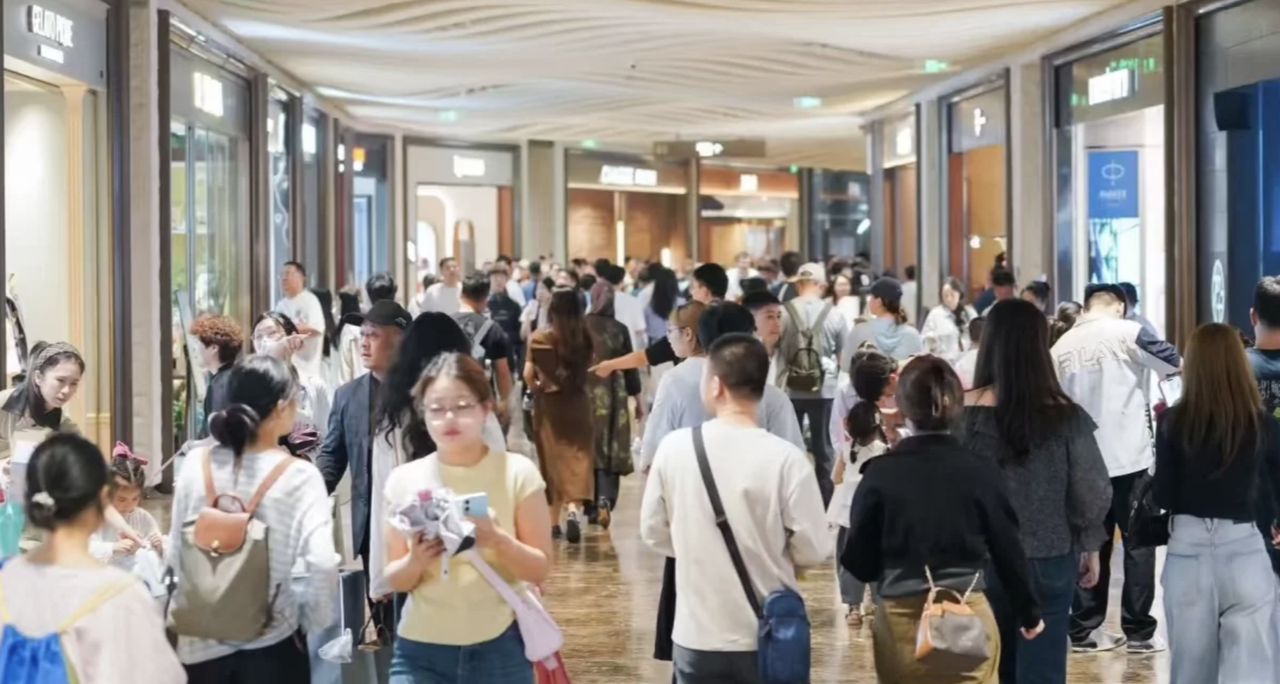
Cultural instincts that shape most purchases in China
Collectivism sits under a lot of buying behaviour, even when consumers describe themselves as independent. In many Western markets, brand persuasion often comes from strong brand voice and individualist identity language. In China, trust tends to come from the environment, not the slogan. The consumer wants to know whether other people have already tried it, whether it's widely accepted, whether choosing it will lead to regret or embarrassment.
This is why brand-led messaging often underperforms on its own. An overseas beauty brand can say "European imported quality" a hundred different ways and still struggle to convert, because the consumer isn't looking for a claim. They' re looking for confirmation. When that same brand seeds a large number of mid-tier Xiaohongshu KOCs and fills the platform with lived-in usage diaries, the atmosphere shifts. The purchase starts to feel socially validated. What was once a risky choice becomes a safe one. That single shift can move conversion more than any copy tweak.
Mianzi, or face, is another layer that overseas teams often underestimate because it can sound abstract until it suddenly becomes expensive. Face is not vanity. It's social risk and social standing, and it matters sharply in luxury and B2B. In B2B, it becomes personal liability. A procurement manager is not only asking whether the software works. They' re asking what happens to them if it doesn't. Choosing a brand that doesn't look official can feel like stepping into a trap with your name on it.
This is where authority signals carry unusual weight. A verified presence in Baidu search, a Chinese website that looks credible rather than "translated," visible expert endorsement, a sense of institutional recognition. These things aren't decorations. They lower the psychological cost of saying yes, especially when the decision-maker's reputation is on the line.
Guochao is often misunderstood as exclusion. What we see on the ground is different. Younger Chinese consumers are not automatically rejecting overseas brands. They are rejecting disrespect, laziness, and tone-deafness. They are sensitive to whether a brand treats Chinese culture as something to borrow for aesthetics, or something to understand and engage with.
Some brands fall into the trap of "localisation equals Chinese copy." Others try to imitate Guochao visuals without the cultural logic and end up looking performative. The brands that recover tend to do a quieter, harder thing: they bring Chinese designers or advisors into the process early, they treat cultural elements with care, and they use platforms like Douyin and Bilibili to show cultural attitude rather than just pushing product features. Audiences there don't only judge what you sell. They judge whether you' re sincere.
Speed is a more modern instinct, but it's now deeply embedded. China's digital infrastructure has trained consumers to expect low friction. People tap to pay, expect immediate customer service, and treat same-day delivery as normal in many categories. A slow site, a clunky checkout, long response times, uncertain logistics. Each of these reads as risk or incompetence, not just inconvenience.
We've watched overseas mother-and-baby brands struggle with repeat purchase when they simply "ported" their global website into Chinese. The experience feels heavy and distant. When the journey moves into a WeChat Mini Program and the user can browse content, ask questions, pay, and track delivery without leaving the loop, the brand suddenly looks like it belongs in China. The consumer relaxes. And when the consumer relaxes, they buy more often.
Pragmatism runs through all of this. Chinese consumers can be emotionally driven and highly analytical in the same journey. Mood, aesthetics, identity, and emotional comfort often trigger interest. Then ingredients, parameters, comparisons, and credibility decide whether the purchase happens. A skincare brand can win Xiaohongshu attention with "healing" storytelling and still see unstable sales if it never provides technical reassurance. Once it starts answering the questions consumers ask after the initial spark, conversion stabilises. People want to feel something, and they also want to be sure they' re not being fooled.

Gen Z in China: confident, selective, and impatient with pretence
Gen Z in China isn't simply younger. They grew up online, in abundance, and under a stronger sense of cultural confidence. Many of them have a low tolerance for being marketed to in an obvious way, which is why the same "global best practice" creatives can land flat.
A big driver is self-pleasing consumption. They buy for personal comfort, personal identity, and small private preferences. They still care about social perception, but they don't want to be dragged into "mass taste" messaging. When a brand leans too hard on "everyone is buying it," some of them hear manipulation. They prefer language that respects individuality without turning it into a Western-style hero narrative. Subtlety tends to work better than grand statements.
They also reject preachy brands. The fastest way to lose them is to sound like a teacher, a judge, or a brand that assumes superiority. They respond to brands that can speak like a peer, even when the product is premium. Many overseas brands struggle here because they confuse "premium" with "distant." In China's youth culture, distance often reads as arrogance.
Pressure is another constant. Gen Z jokes about burnout, but the fatigue is real. They don't need another brand yelling motivation at them. They respond to relief. They respond to softness. A product becomes attractive when it feels like a small exit from pressure, a small piece of comfort that doesn't demand more effort. That's why "healing" and "relaxed" content often outperforms hype-driven content, even in categories that used to rely on performance messaging.
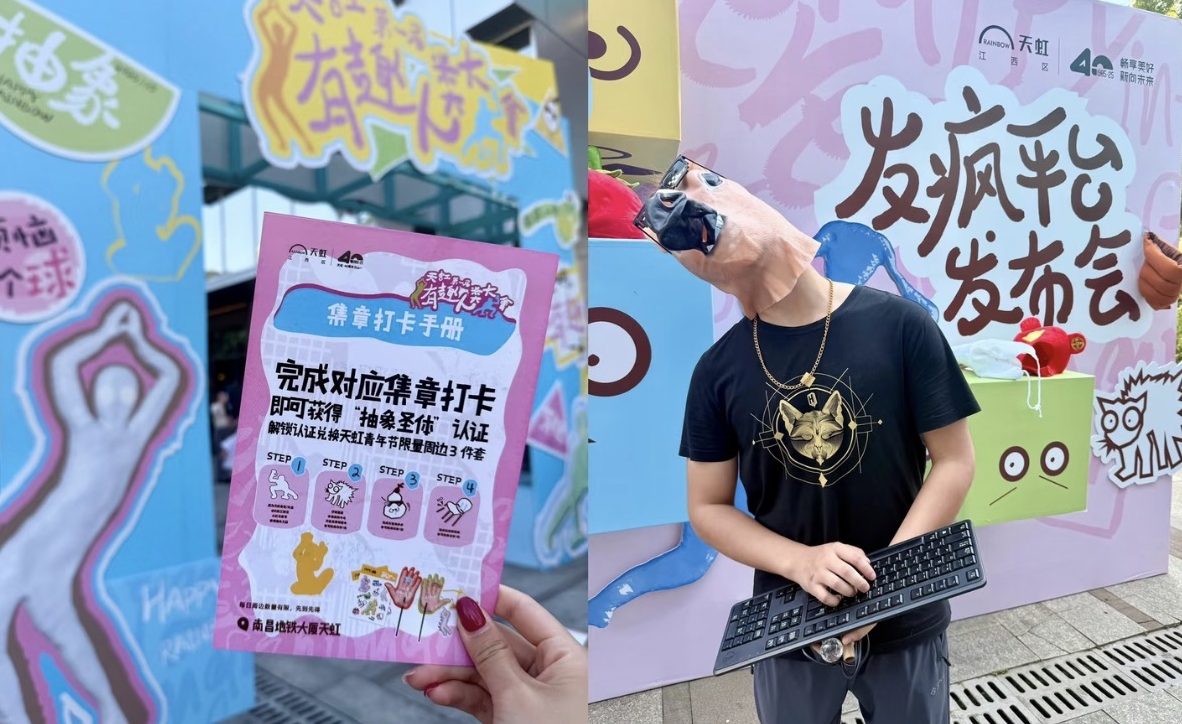
At the same time, they are not careless spenders. They will research, compare, and cross-check aggressively. "IQ tax" is a deadly label. Yet they will still impulse-buy when aesthetics are strong, when a moment feels perfect, when a product matches a persona they want to inhabit. If a brand only creates desire, the final click may not happen. If a brand only provides proof, it may never become desirable in the first place. The brands that win learn to place proof where Gen Z goes looking for it, while keeping the spark alive where Gen Z goes to feel something.
The 50+ consumer: large, loyal, and still badly misunderstood
The 50+ market is often treated as an afterthought by overseas brands, partly because the youth market is louder online. But the silver segment in China is enormous, and as indicated by the National Bureau of Statistics of China, their purchasing power keeps rising. More importantly, once they trust you, they tend to stay.
Safety is their first filter. They worry about health, scams, wasting money, and becoming a burden to family. Any messaging that feels vague or exaggerated can trigger immediate rejection. Some overseas brands accidentally create distrust with tiny unreadable packaging, complicated explanations, or overly sweeping benefit claims. The fixes are not glamorous, but they work: clear ingredient and usage explanation, larger readable design, credible professional endorsement, transparent pricing, and service that feels stable.

Respect matters almost as much as safety. Many teams assume older consumers can be won by discounts. What we see is different. They are not chasing "cheap." They are avoiding regret and humiliation. They want to feel taken seriously. Patient service, polite language, and thoughtful support can convert better than aggressive promotions, especially in health, finance, and services.
Their trust also travels through familiar circles. Celebrity influence is weaker than neighbour influence. Community groups, old colleagues, friends, and relatives carry weight because they feel safe. Brands that understand this stop treating marketing as only media buying. They build community touchpoints, referral mechanics, and offline experiences that encourage sharing inside real social networks.
Nostalgia is a powerful emotional switch for this segment. It's not a gimmick if it's handled with care. Familiar aesthetics, era memories, and cultural references can create a feeling of recognition, of being seen. The mistake is to use nostalgia as costume. The brands that do it well treat it as respect for lived experience.
The practical implication most overseas brands miss
China rarely punishes a brand for being foreign. It punishes a brand for feeling careless, slow, or culturally unaware. That's why "doing more" often doesn't fix the problem. More budget, more ads, more content. If the underlying psychology isn't understood, the output simply becomes louder and still doesn't land.
A better question to keep on the table is uncomfortable but useful: if a Chinese consumer refuses to buy, what are they protecting themselves from? Losing face? Wasting time? Being fooled? Looking uninformed? Feeling disrespected? Once you can answer that honestly, channel choices get easier, creative direction becomes clearer, and the entire journey starts to feel less like forcing a foreign playbook and more like building something that belongs.
China is demanding in 2026, but it isn't closed. It's selective. Brands that learn how Chinese consumers decide, hesitate, and trust don't just "enter the market." They stop being treated like visitors.
Ready to Stop Being Treated Like a Visitor in China?
Don't let cultural barriers dilute your brand's value. BINGO Digital helps you decode local consumer psychology—from Gen Z to the 50+ segment—turning deep cultural fluency into sustainable growth.
Talk to Our China Strategy Experts Today