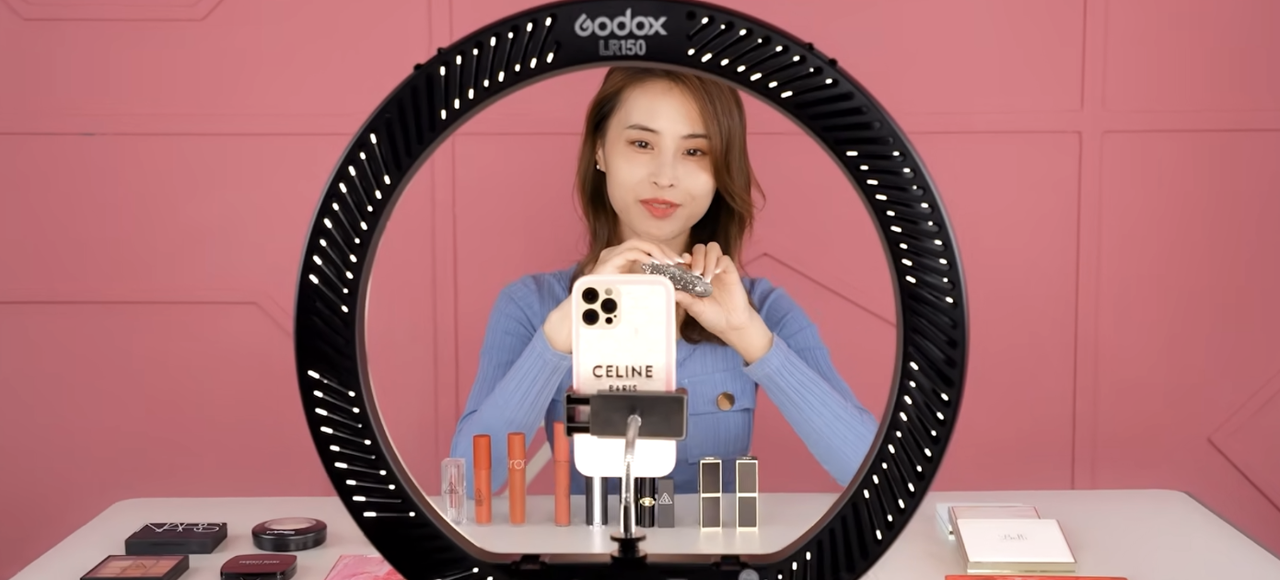
From Content Community to Closed-Loop E-commerce: Xiaohongshu 2026, A New Blue Ocean for Global Brands
For global brands attempting to unlock the gates of China's digital market, Xiaohongshu (Little Red Book) has long been pigeonholed as a mere "seeding" platform—a place to generate buzz and cultivate interest before funneling traffic to external e-commerce giants like Tmall or JD.com to finalize sales.
However, data tracked by BINGO Digital's analytics team from late 2024 through early 2026, coupled with recent industry research, confirms that this traditional perception is officially obsolete. What began as a community for young women to share lifestyle snippets has evolved into a sophisticated, closed-loop ecosystem. For overseas brands willing to adapt their operational DNA to these new rules, Xiaohongshu now represents one of the few remaining "Blue Ocean" opportunities in an otherwise saturated Chinese market.

Mastering the Growth Engine: "Shu Tiao" vs. "Ju Guang (Spotlight)"
A common pitfall for international brands is treating content amplification and performance marketing as the same thing. On Xiaohongshu, using the wrong tool for the wrong objective doesn't just waste budget; it causes you to miss critical traffic windows.
Shu Tiao, The Content Litmus Test
Think of Shu Tiao as a low-barrier "post boost" tool. It is designed for testing. At BINGO Digital, we use small Shu Tiao budgets to gauge the "virality potential" of creative assets. If you put a small amount of money behind a post and it still sits there with zero engagement, the algorithm isn't "hiding" you. It's a sign that the creative content itself is falling flat. We often tell clients to stop trying to fix a bad post with more budget. If the organic resonance isn't there during the initial test, no amount of paid reach will create a genuine trend.

Ju Guang (Spotlight), Precision Performance Marketing
Ju Guang is the platform's professional DSP (Demand-Side Platform). It allows brands to target users based on granular dimensions: age, city, device, interests, and real-time behavioral tracks. For service-oriented brands (Education, Travel, Healthcare), Ju Guang can optimize directly for lead generation, such as form submissions or consultations, moving beyond "likes" to measurable business outcomes.

The Rise of the "Qian Fan (Splash Ads)" Ecosystem, The Death of the Redirect
The introduction of the Qian Fan system changed the math for everyone. In the past, the "Red-to-Tmall" pipeline was the gold standard. Today, if you try to force a user to leave the app to buy something, you're fighting the algorithm. The platform is now built to reward "native" behavior.
Our internal tracking shows that conversion rates for brands using in-app shops are consistently 30% higher than those relying on external links, a trend we've validated across multiple customer success stories. It's not just about user convenience, though that's a big part of it. It's about the platform's own incentive structure. They want the data, the transaction, and the after-sales service to happen under their roof. Brands that refuse to set up native shops are essentially paying a "friction tax" that their competitors are avoiding.
Data-Driven Decisions: "Ling Xi" and "Pu Gong Ying"
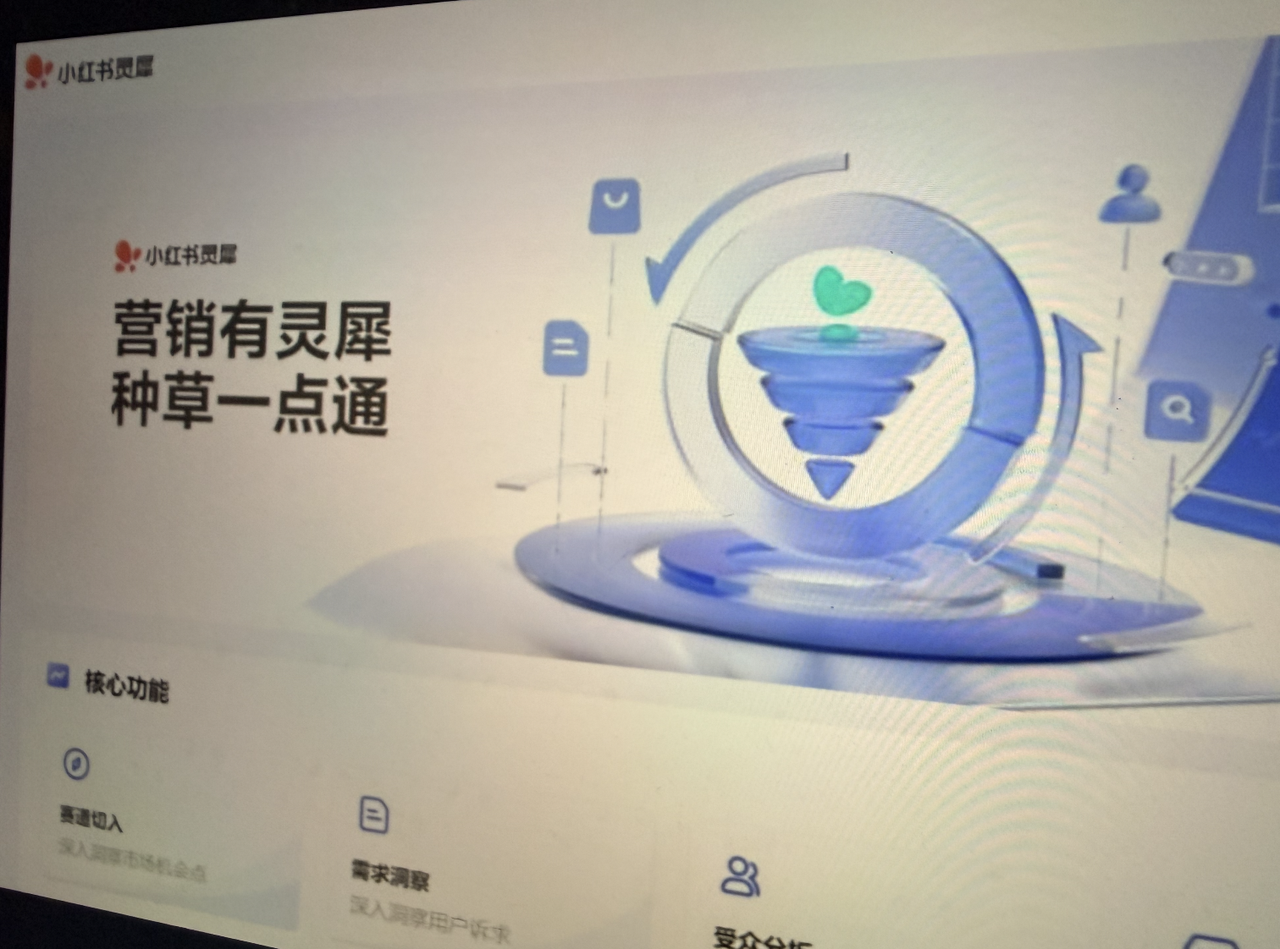
Operating in China based on "gut feeling" is a recipe for a very expensive failure. This is where tools like Ling Xi come in. It functions as the platform's nervous system, aggregating how users interact with your category. It tells you what they're actually complaining about in the comments and what specific product features are being saved for later.
Similarly, the Pu Gong Ying system for influencer collaborations (KOL/KOC) is no longer optional. Beyond the obvious compliance issues, the real value here is the data trail. When an influencer posts about your brand through the official channel, every interaction becomes a "tag" you can use later. You can retarget people who liked that specific influencer's post, creating a feedback loop that most brands outside of China simply don't have access to.

Cracking the "Black Box" of Traffic
Xiaohongshu's algorithm is driven by two engines: Interest-based Recommendation and Intent-based Search. To win organic traffic, you must satisfy both.
The algorithm prioritizes Community Engagement Score (CES) over raw views. However, not all engagements are equal. In 2026, the hierarchy of value is:
The 2026 Hierarchy of Value (CES)
- Follows (Highest Value): Signifies long-term brand affinity.
- Comments: Reflects deep participation and content quality.
- Saves (Collects): Indicates high purchase intent or utility value.
- Likes (Lowest Value): A passive acknowledgment with little "depth."
This explains why a high-utility "How-to Guide" often outperforms a glossy, expensive brand advertisement. For overseas brands, utility is the new luxury.
The Brand Lifecycle: Sandbox and Recognition Phases
New accounts often panic during the first few weeks because their reach is abysmal. This "Sandbox Period" is the platform's way of vetting you. If a brand comes in swinging with aggressive sales pitches and "buy now" links during these first fourteen days, they often end up in a state of permanent low visibility. The play here is to be helpful. Provide value, educate the user, and prove to the system that you aren't a spam bot.
Once you're out of that phase, SEO takes the lead. This is where the platform starts to categorize you. You need to be using the specific terminology and long-tail keywords that your target audience is actually typing into the search bar. If the system can't categorize you accurately, it can't recommend you.
Why 2026 is the Year for Lifestyle E-commerce
The transition to "Lifestyle E-commerce" is a major departure from the high-decibel, price-driven world of Douyin/TikTok or Pinduoduo. Xiaohongshu users aren't looking for the absolute lowest price; they are looking for a specific aesthetic or a solution to a niche problem. They are largely female, urban, and have a high amount of disposable income.
This demographic values "Slow Live Streaming"—sessions that feel more like a conversation with a knowledgeable friend than a high-pressure sales pitch. It's an environment where "Quiet Luxury" and brand heritage actually translate into sales.
The window for this Blue Ocean won't stay open forever. As more brands realize that the platform has matured into a full-scale commerce engine, the cost of entry will inevitably rise. Right now, there is still a gap between the amount of traffic available and the number of brands using the native tools correctly. Bridging that gap is exactly what we do at BINGO Digital. We take the guesswork out of the algorithm so that Xiaohongshu becomes a predictable, scalable part of your business rather than a social media experiment.
Bridging the Gap with BINGO Digital
In 2026, Xiaohongshu is no longer a digital billboard; it is a comprehensive commercial channel. The barrier to entry for global brands has shifted from language to systemic mastery. At BINGO Digital, we specialize in helping overseas brands navigate this complexity. Whether it's:
- Safely navigating the Sandbox Period to avoid shadow bans.
- Optimizing SEO and Tags to trigger the recommendation engine.
- Setting up Native Stores within the Qian Fan ecosystem.
- Executing high-ROI influencer campaigns.
Our goal is to transform Xiaohongshu from a social experiment into a sustainable revenue engine for overseas brands in China.
Want to use Xiaohongshu to win more target customers in China?
BINGO Digital specializes in helping international brands success in China.
Contact BINGO Digital to secure your 2026 Xiaohongshu Growth
Learn more about Xiaohongshu Growth services | View Success Stories
Unlock Your 2026 Xiaohongshu Strategy
From Sandbox navigation to "Slow Live Streaming" execution.
Contact BINGO Digital